Water chuckles, and so do we

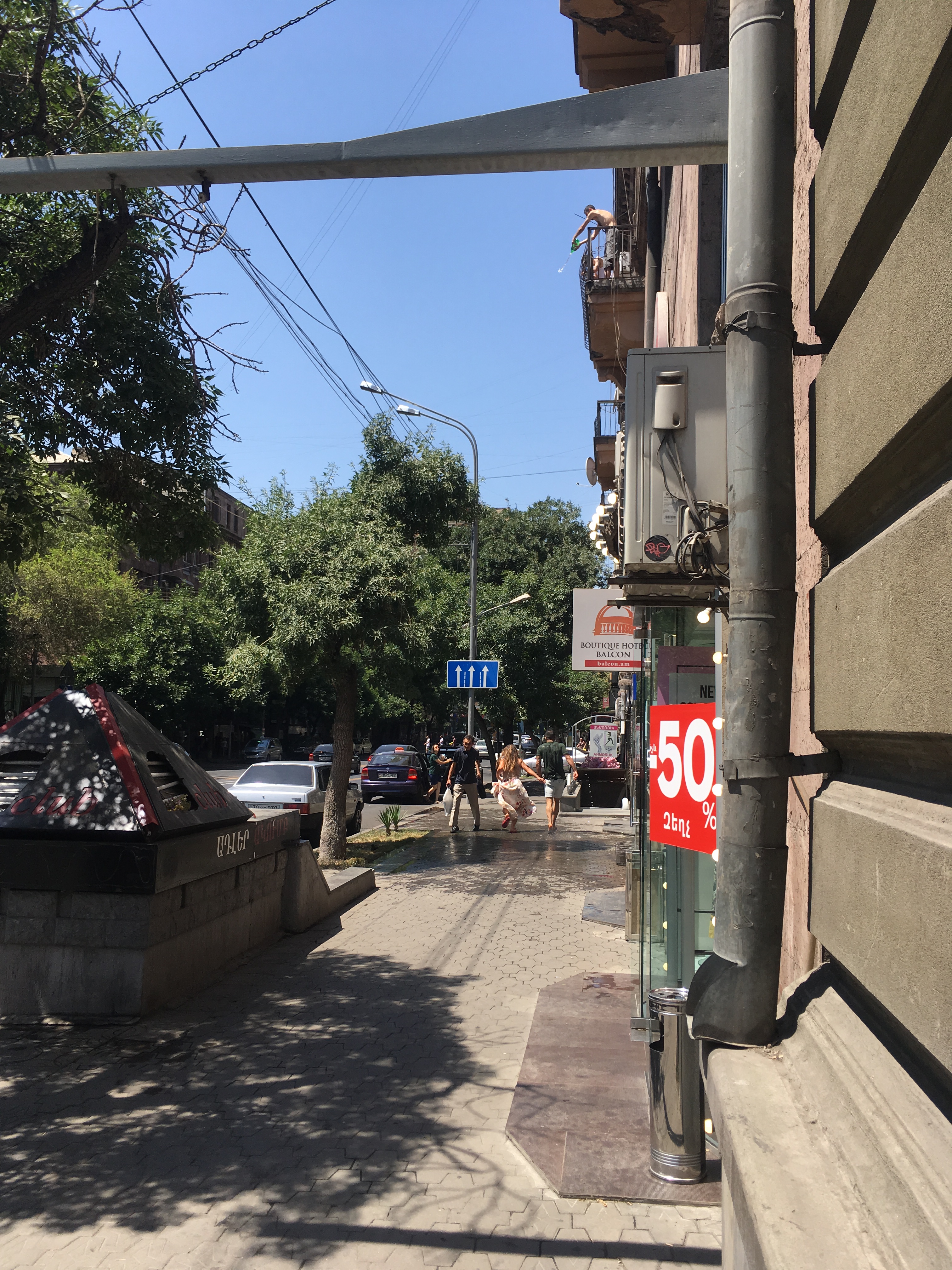
My last day in Armenia happened to fall on the ancient water festival of Vartavar. “Vart” means “rose” in Armenian, and the day is dedicated to the goddess Astghig, the goddess of fertility. Armenians have been celebrating this holiday for thousands of years by throwing one another in rivers or, in the modern urban version, dumping buckets of water over one anothers’ heads.

The Armenian climate is dry, but there is abundant water, pure and delicious, that comes from the mountains. Public drinking fountains are everywhere on the streets of Yerevan, and it seems to me that there is no more community-building experience than to encounter other humans at an outdoor fountain, wait one’s turn, and slake one’s thirst in their presence. Water seems so privatized in the U.S., with everyone carrying their own bottle around.

Vartavar is a time to show gratitude for the water that gives us life. This festival predates the Christian sacrament of baptism by centuries (or perhaps millennia), and its mode is exuberant rather than reverent. We should sometimes be ridiculously happy that we have water, that it sustains life on earth, that it makes everything fertile (us included). Armenians understand this well. They spend the day of Vartavar roaming the streets, filling any kind of container large or small at the public fountains, and then squirting, dumping, or pumping water on anyone nearby. Kids aim super soakers out of upper story apartment buildings at unsuspecting passersby. The world is full of giggles, shrieks, the squelch of flip-flops, and benevolence.

If you watch until the end, you’ll perceived that I get a rude awakening!

It is in fact impossible not to laugh on Vartavar. And in this year, in the past three years, when terrible things are happening in my country and in others, when many people are filled with hate and cruelty, it is essential to take time out to love the fact that we are alive. The laughter that bubbled up in me and overflowed was the laughter of joy at witnessing the humanity of others, of sharing in that humanity, of rejoicing together in the miracle of water and of life. What could be more holy?
Water rains down from on high

The bird calls to us

When I was young, every Sunday I listened to the theme song of the WCRB-Boston Armenian classical music radio hour. This song was played on clarinet, but decades later I heard it on duduk. Then I found that it has words, and I learned to sing it. More than anything, I wanted to sing that song in Gheghard Monastery in Armenia. This monastery was carved out of a cave, and there is a room where the acoustics resound in an extraordinary way.

The song is called “Havoun, Havoun” and it is a melody of resurrection by Grigor Narekatsy, 10th century c,e…..although possibly it is older than that. In it, Jesus, in the form of a fowl, calls listeners to him and tells them to hear the voice of the dove and come to love.

My rendition in Gheghard was not my best singing, you can hear the amazing acoustics here:
Here is a version in Noravank Monastery. The acoustics aren’t so extraordinary, but my singing is better.

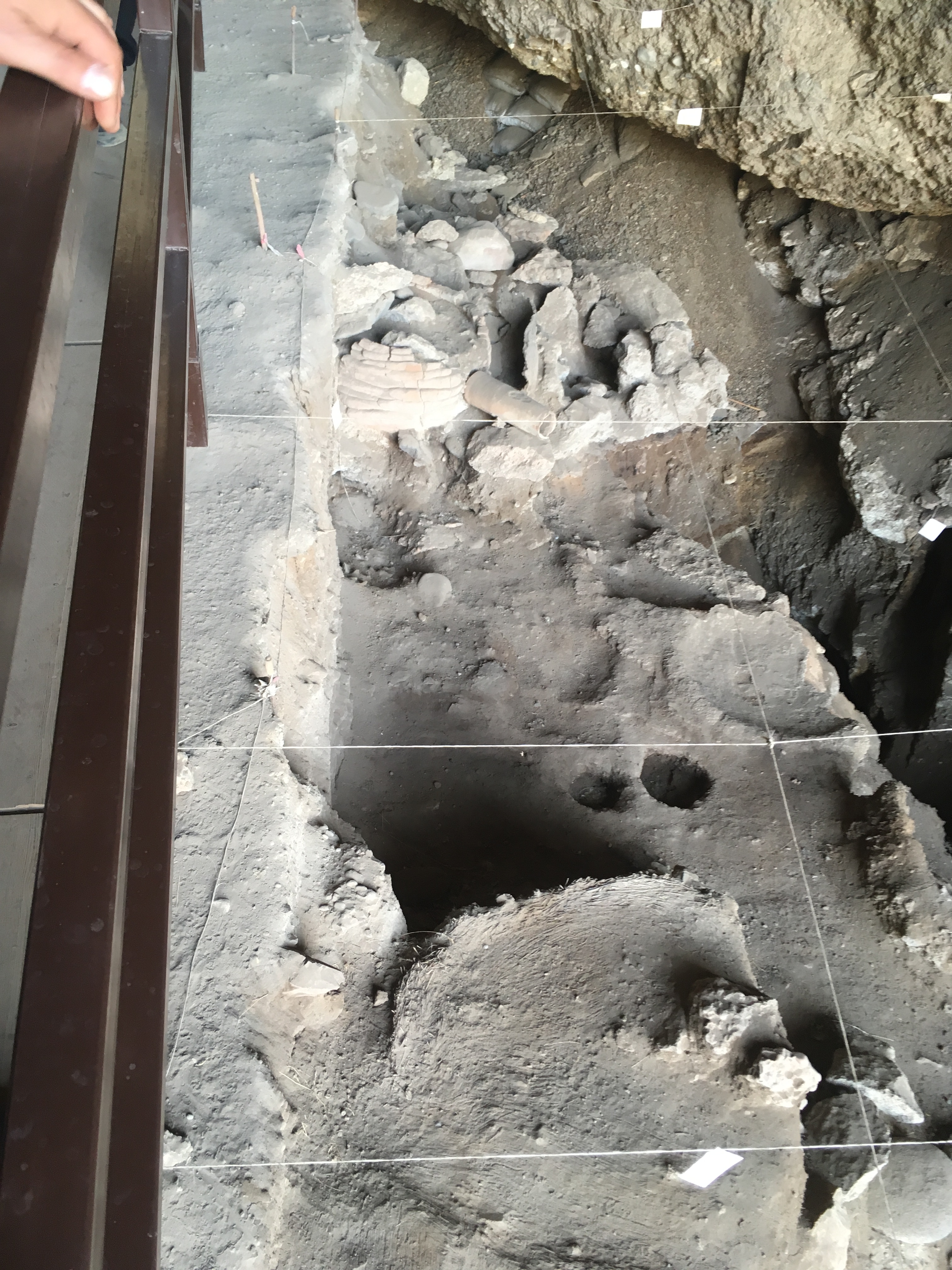
After Noravank, I went to Areni cave, where the oldest leather shoe (7000 years old) was found, as well as the oldest wine-making equipment and the oldest grape seeds. The grape seeds are the Areni grape variety, which Armenians are still using in the region to make wine.

Here you can see the round rims of the wine storage jars. c. 5000 b.c.e.

Pagan Armenia

This week, as most of my interviews were completed, I took a couple of days to go touring.

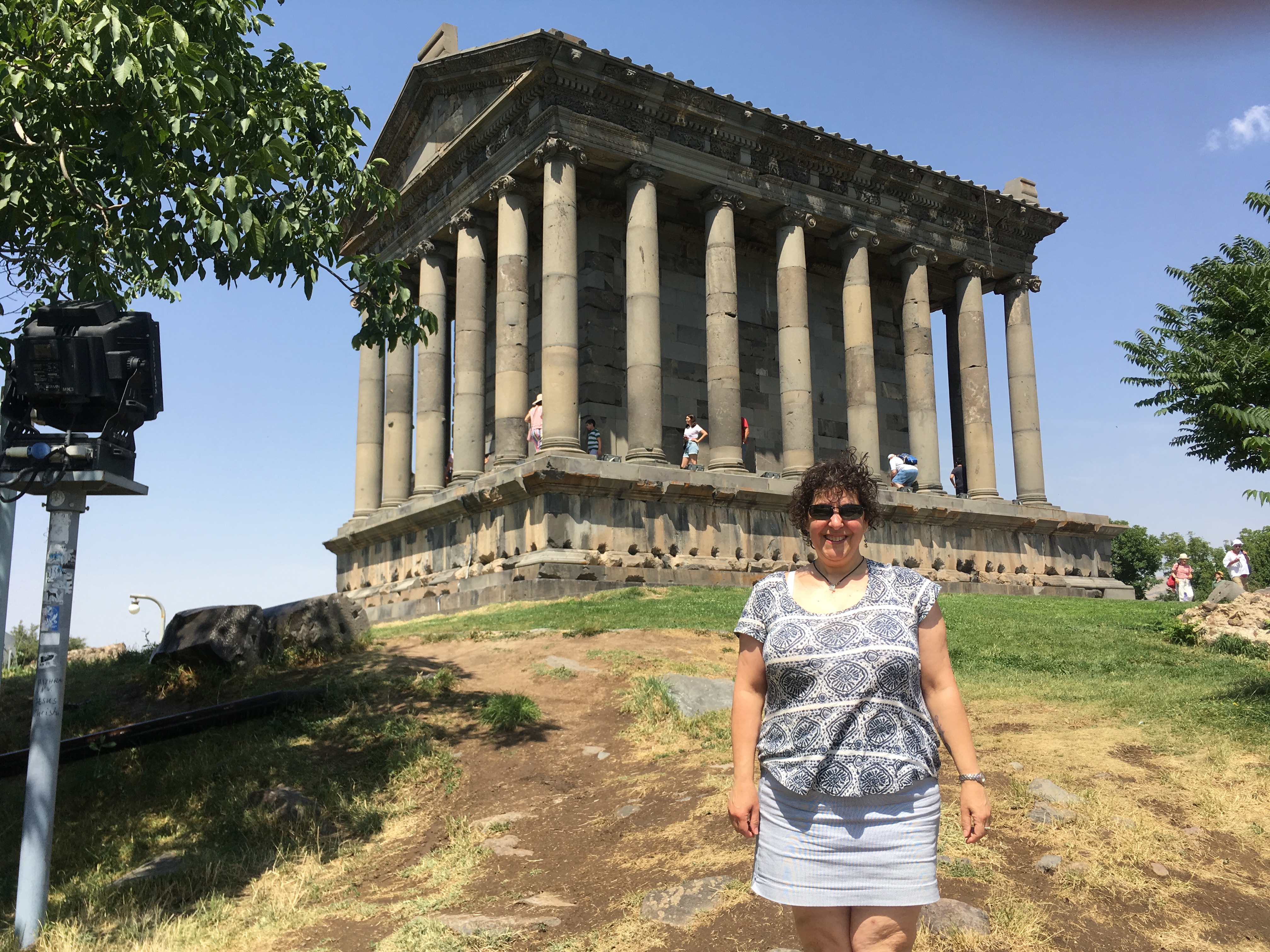
I visited the Temple of Garni, which most scholars believe was built in 77 c.e., dedicated to the Fire god Mihr. Ancient Armenians were sun worshippers, and their gods were similar to the Zoroastrian ones. Thus, the Armenian Mihr was equivalent to the Zoroastrian Mithra.

Me at Garni Temple

Although Armenia was declared Christian in 301 c.e. by its king, it took about 700 years to convert most of the pre-Christians. And there are still Armenian pagans, who gather at Garni on March 21st to celebrate the new year. And even Christian Armenians still honor their pagan roots.

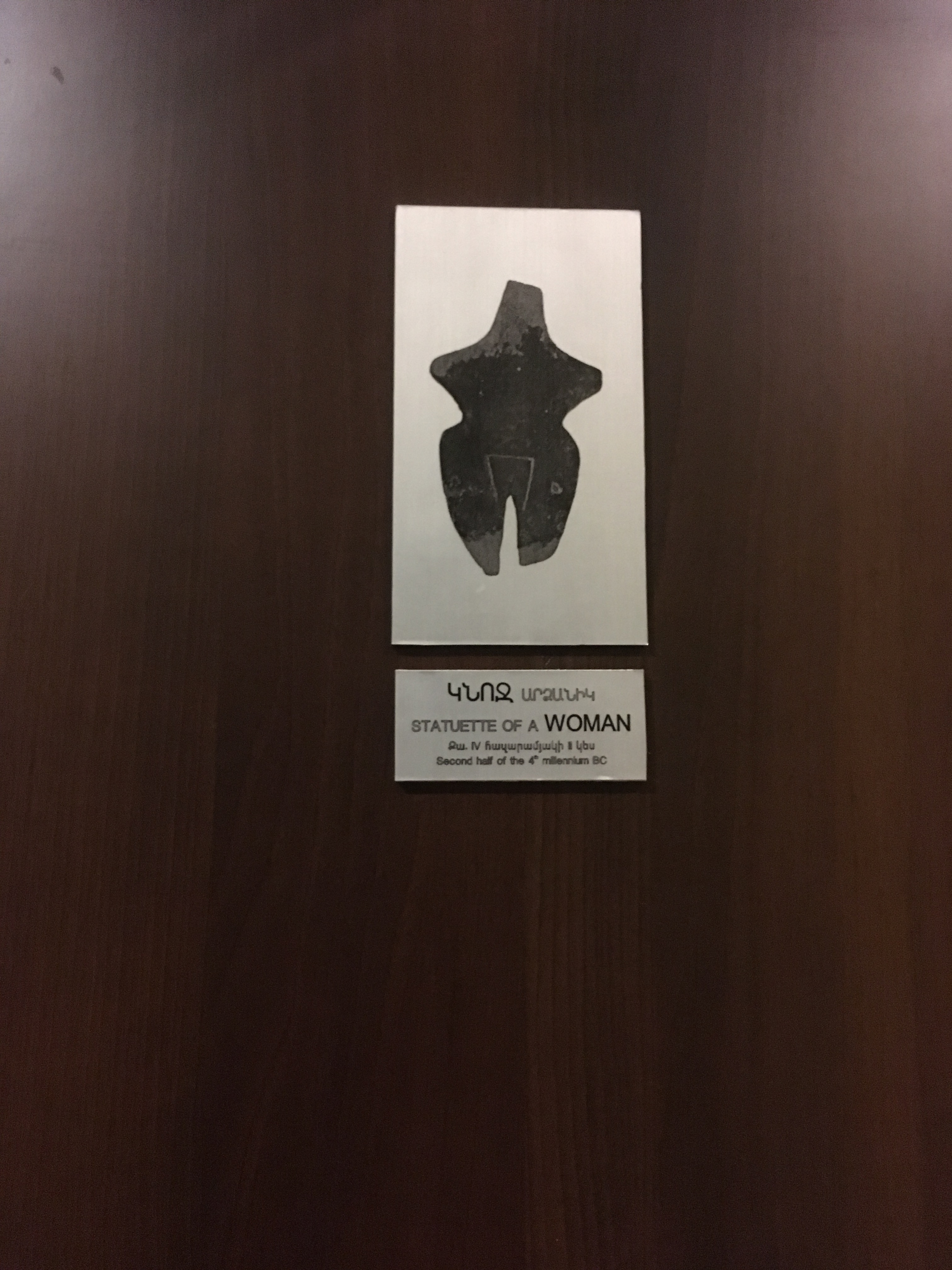
The bathroom door at the History Museum

Stay tuned for more paganism as Armenia celebrates the ancient festival of Vartavar.

In which I become a warrior woman

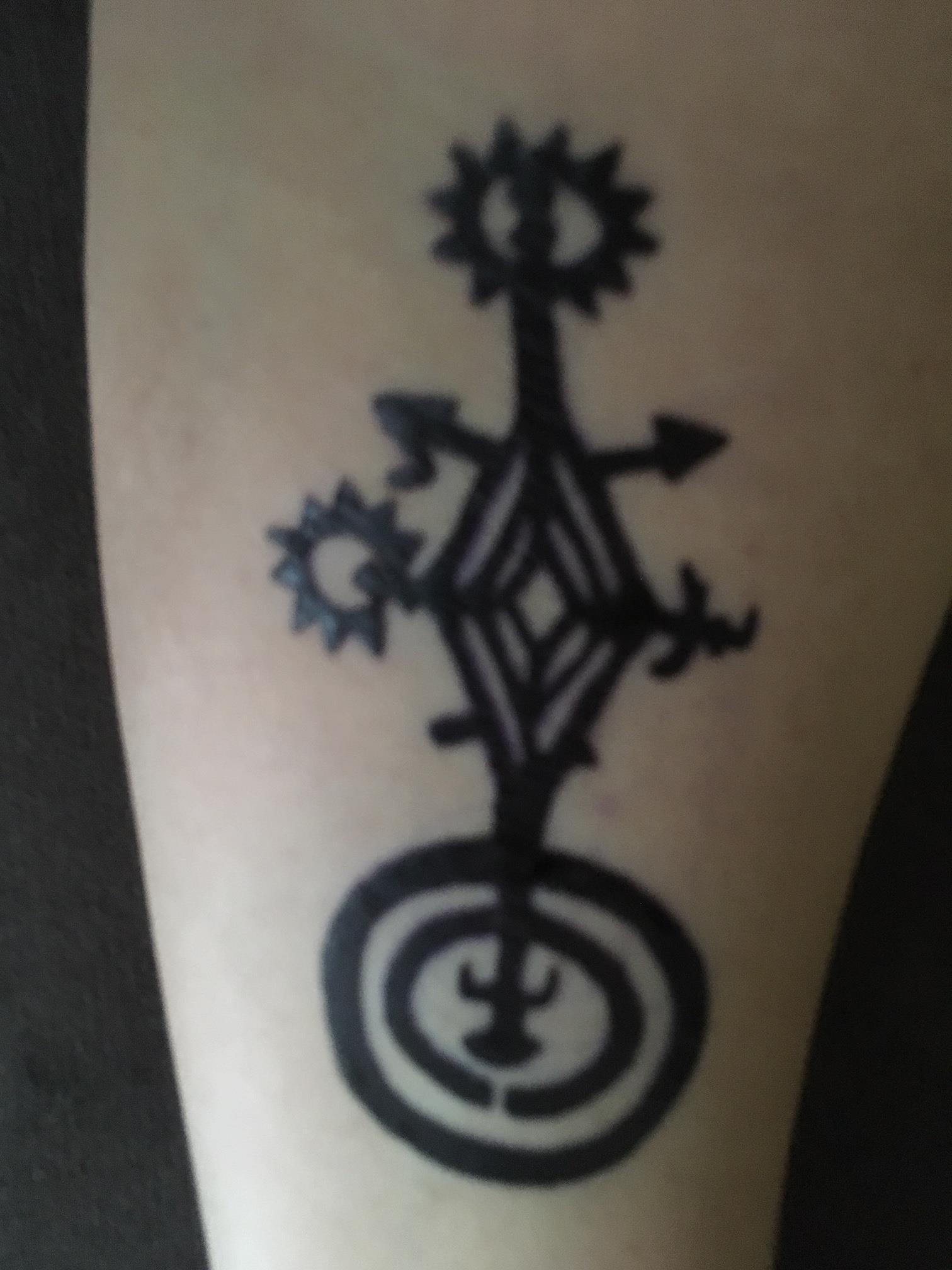
My tattoo of the Armenian Solar System 12-11 c bce

from the Armenian History Museum:

12th – 11th centuries BC, Sevan Basin, bronze

The chased bronze plate represents a model of geocentric solar system. In the centre of the lower part is the planet Earth, depicted as a semicircular battle-axe blade with a cruciform base (the image reminds of the sign for Earth accepted in modern astronomical literature). It is surrounded with two rings, marking the layers of water and atmosphere. Comparatively larger radiant disc above symbolizes the Sun. Five planets: Mercury, Venus, Mars, Jupiter and Saturn, and the Moon was considered an independent luminary closest to the Earth. Such an arrangement of geocentric system is also found in medieval Armenian manuscripts. According to astronomers B. Toumanian, as far back as the Bronze Age, the inhabitants of the Armenian Highland had assumed the round nature of the Earth, probably, in resemblance with luminaries visible in the firmament.

The main purpose of my trip to Armenia is to conduct oral history interviews with women who are connected to the women’s centers in Armenia. Some of these centers work with domestic violence or sexual assault victims; some help women develop job skills and economic independence; some provide safe havens for LGBTQ people. I am meeting some amazing women, including young women who are students or recent university graduates. I am so impressed by the intelligence, insight, and commitment of these women — and of a couple of wise men I have met as well.

In their honor, I got a temporary tattoo. It looks like a warrior symbol, but as you see from the description above, it’s actually the design of a very ancient graphic of the solar system. The ancient Armenians were sun worshippers, and when the country adopted Christianity as its national religion, priests used metaphors of the sun and illumination to describe their beliefs. So light is a central metaphor for this nation.

Armenia is an ancient nation and has many wonderful traditions — of art, craft, intellect, philosophy, hospitality, foodways, dance, music. Many Armenians don’t want to talk about domestic violence and other social ills, and they perceive those who do talk about those social ills as anti-patriotic. We have this phenomenon in the U.S. as well. But it is my belief that constructively criticizing one’s society is actually the deepest form of patriotism, because it means that you want to make your society the best and most just that it can be.

So: let my tattoo stand for all the light that Armenian feminists and progressive activists are bringing to the social problems of their country. They are the warriors of love and justice, and I want to stand with them.

I have seen the mountaintop

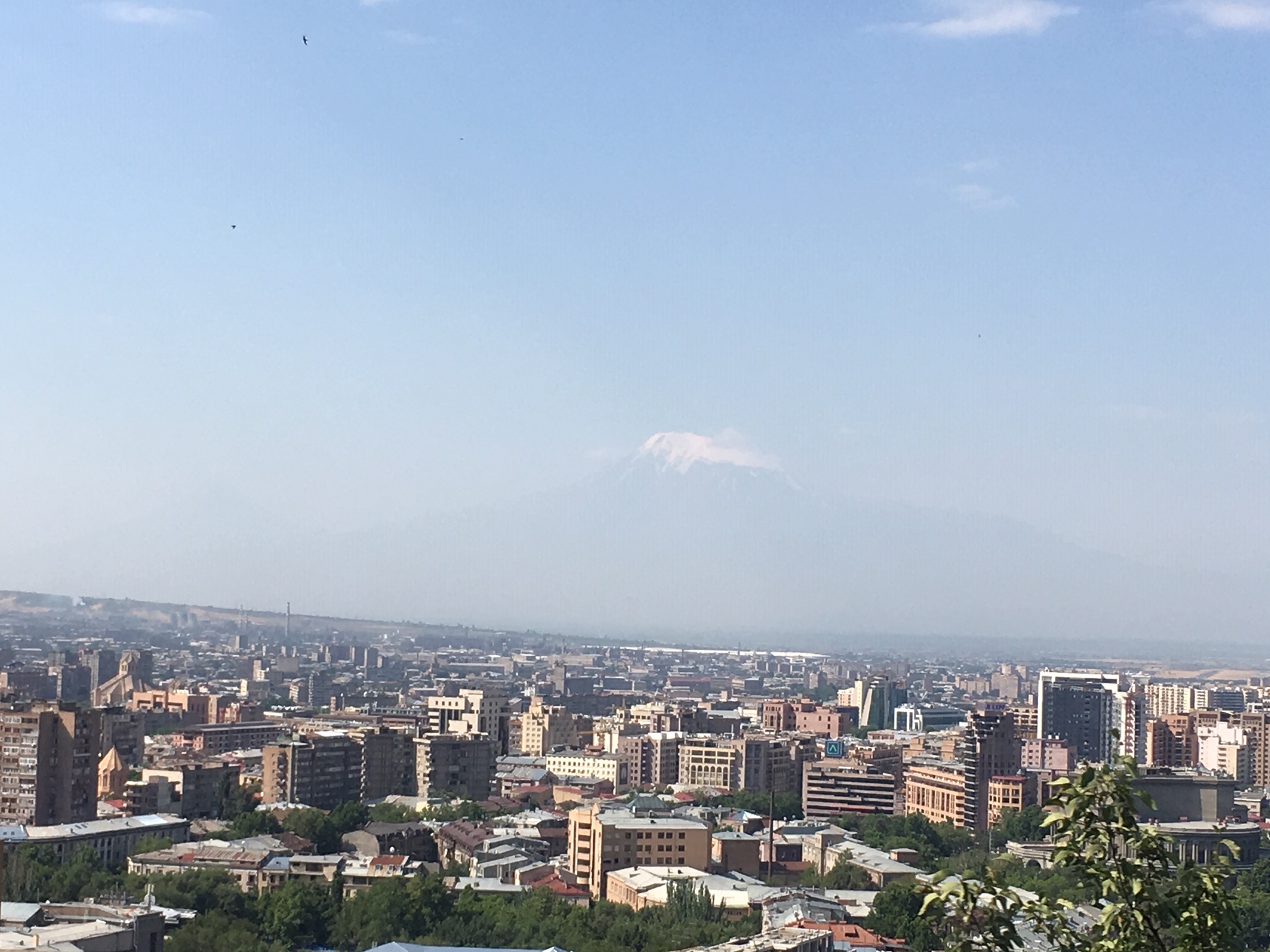
Massis (the larger peak) of Mount Ararat

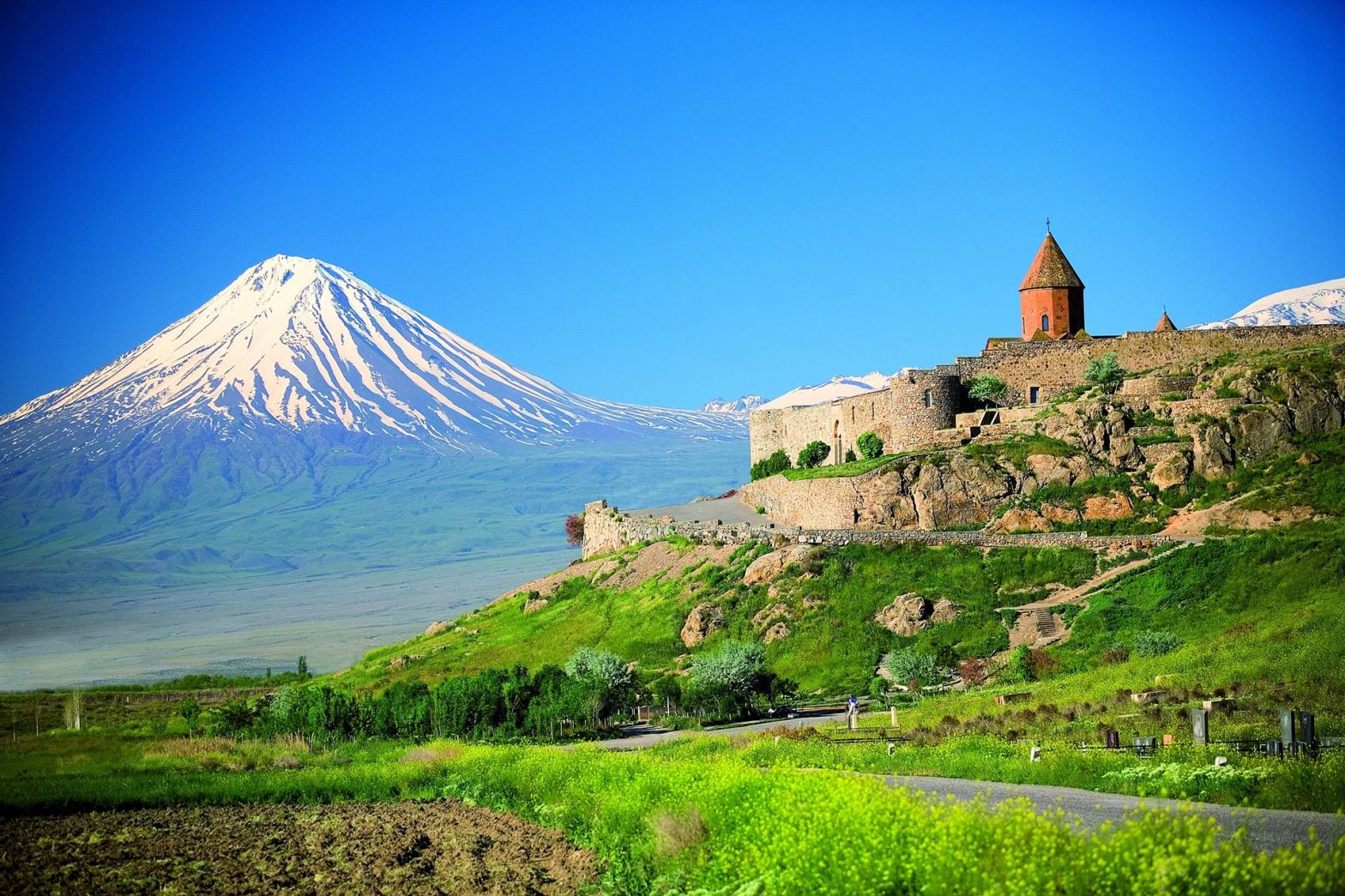
On Thursday I saw Mount Ararat with my own eyes, for the first time in my life. It was a hazy day, so I only saw the peak of Massis, and you cannot see the shorter peak (Sis) at all from this picture. But it’s been a lifelong dream of mine to see Mount Ararat. It’s very central to Armenian identity. Sadly, from Hayastan (The Republic of Armenia) it is difficult to go there, because the mountain is in Turkey (Western Armenia). For a long time there was a NATO missile base there and there may still be one. Ararat is one of the important things that was taken from us. In this sense, I feel that my experience is parallel to that of the First Nations Americans,many of whose lands and holy mountains were appropriated away from them by the U.S. government.

When I looked upon the mountain, I imagined that I was helping my father’s spirit alight on the snow-capped peak. My father never saw Ararat with his own eyes, so I am seeing it for him.

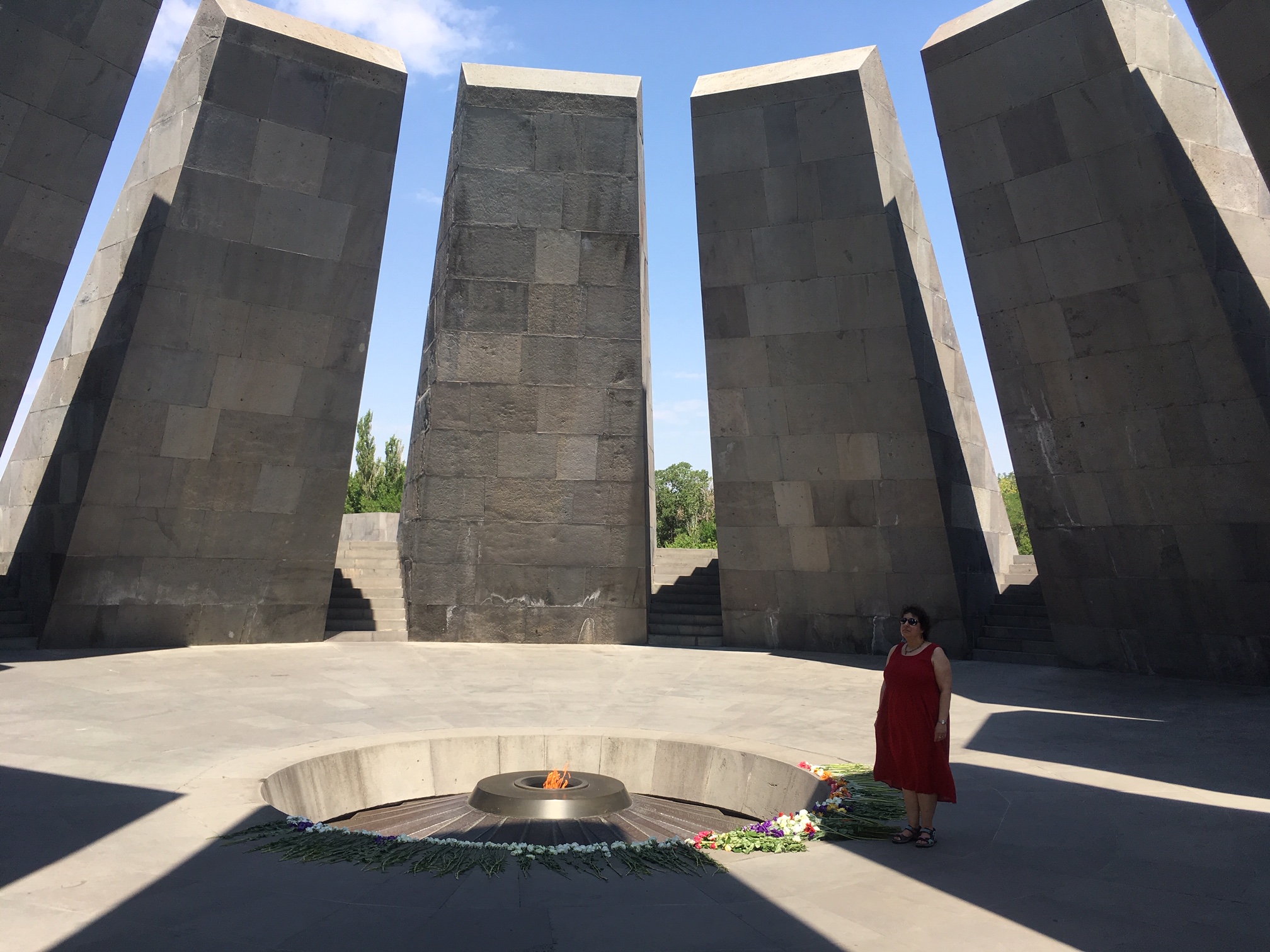
I got my first view of Ararat from the Armenian genocide museum, which is atop a hill in Yerevan. The outdoor memorial has an eternal flame, with stones leaning over it in pain. In the picture below, you can also see that many people bring flowers to lay near the flame.

There is also a plaza as part of the memorial which symbolizes the graves of the 1.5 million Armenians who perished and did not have respectful burials. There are also engraved names of the cities and provinces where the genocide took place, as well as tributes to some of the notable people who tried to help or who witnessed.

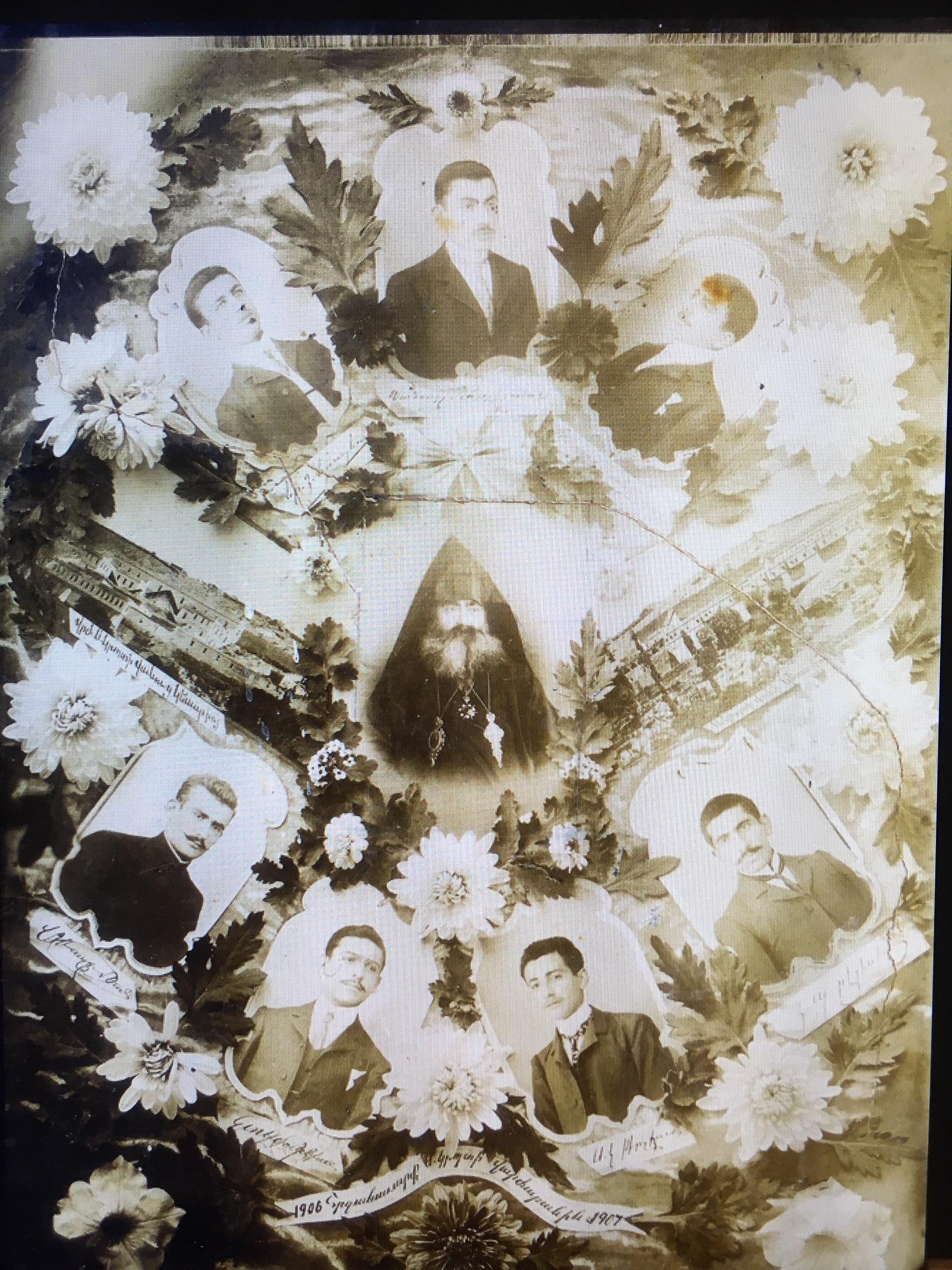
Inside the museum there is an historical timeline of the genocide, and there I found a photo of my ancestor (my great-great grandmother’s brother, Drtad Balian). He was the bishop of Gesarya, and he started a school there. This picture is of some of the school’s graduates, with Drtad in the center.

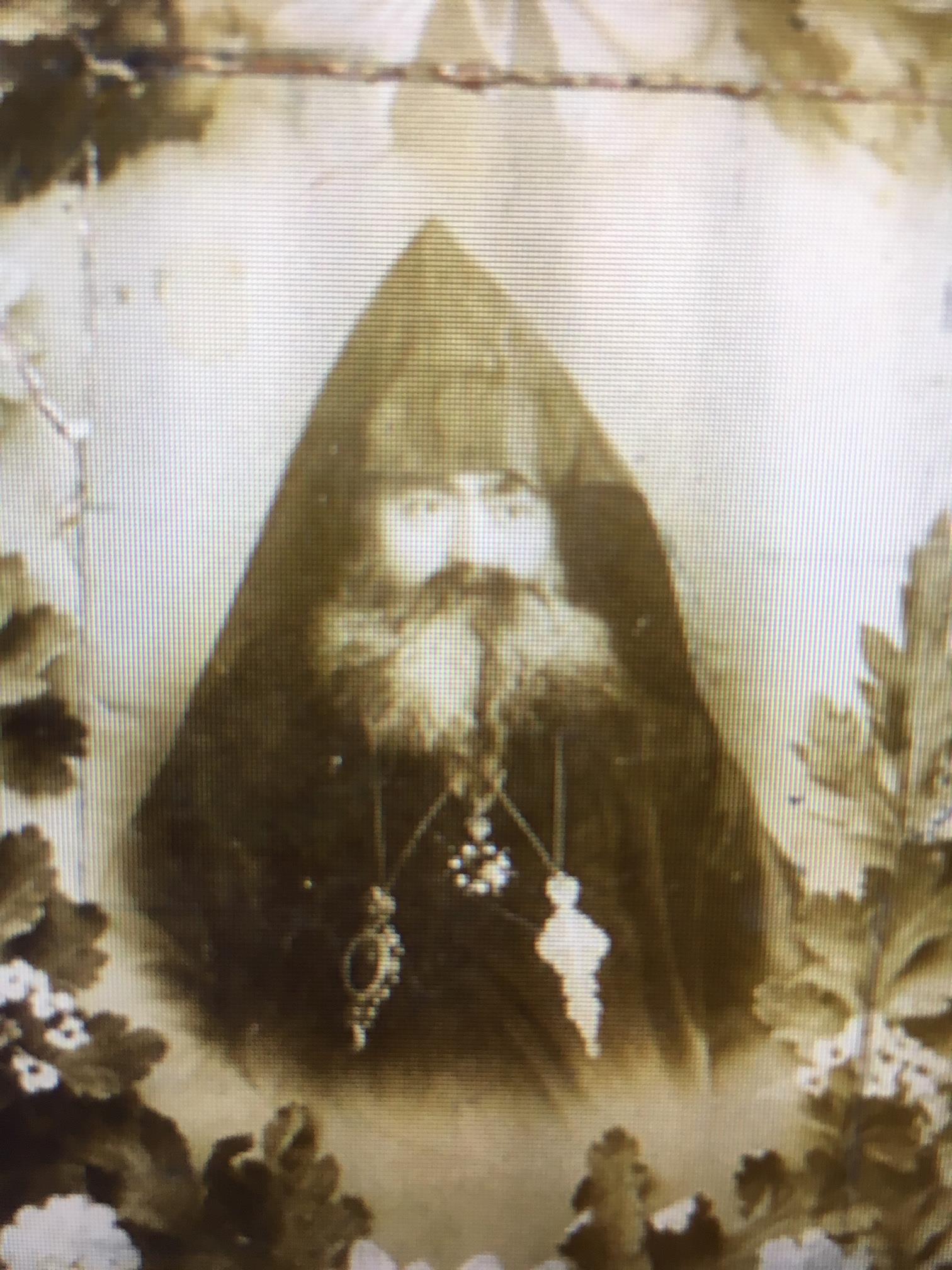
My grandmother always told me “you have the bishop’s eyes.” This closeup is fuzzy, but perhaps it shows eyes like mine.

Given how much of our our genealogical records were lost and how much the genocide ripped families asunder, it is amazing that I have a photo of an ancestor from this many generations back. Drtad helped the Armenians of Gesarya fight off the Turkish attackers. Later he died in the burning of Smyrna in 1922. There were two churches in Gesarya, and Drtad chose to work at the one where the poor people lived. He was a collector of art and manuscripts and he wrote a catalog of his (the church’s) collection. So I think he set an example of working for social justice and being a scholar that has in some way come down to me.

Return to the Land of Your Home

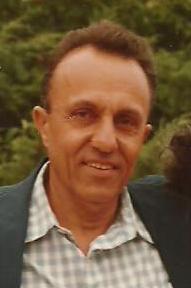
Howard John Okoomian, 12 January 1924 – 8 July 2019

Over the weekend, my 95-year old father developed pneumonia, and on Monday he died peacefully in his sleep. Known as “Buddy” by his family and friends, my father was kind and compassionate, possessed of a curious mind and a gentle but mischievous sense of humor, and beloved by practically everyone who knew him. He was an accomplished research physicist who invented the first underwater lasers while working for RCA in the early 1960s. Raised in the Congregational Church, my father discovered science as a teenager, and he eventually came to believe that science, rather than religion, would answer all of the big questions of life.

He was endlessly interested in those questions. He had a deep sense of wonder about the world. He would pause to marvel at the surf on the shore, on the way he could communicate with a cat, or on the observable thinking process of a toddler. It was from him that I learned the importance of curiosity and wonder in life.

I began to sing early in life, but it was my father who taught me how to listen to music. He was an avid jazz fan and we spent hours listening to his old 78 recordings of Billie Holiday, Errol Garner, and many others. He also applied that ability to listen to all of his human relationships. He listened to me when I expressed my ideas, my anxieties, my hopes, my sadness, my joy — and I always felt that he truly heard and understood. When he was with you, you felt that my father was truly present with you.

When I planned this trip to Armenia, I knew that there was a possibility that my father would die while I was away, but he was physically pretty healthy and we thought he might live quite a few more years. So I took the risk and came.

What does it mean that I am 5000 miles away from where my father breathed his last breath? On the one hand, the distance seems immeasurable; but on the other hand, I feel that there is an invisible tether linking me to him. My father loved his family — not just his immediate family but his entire extended family — steadfastly, and he often talked about his family’s origins in Sepastia and Hussenig (Kharpert). But he never visited those places in Western Armenia, which is now part of eastern Turkey and is where the Turks are violently repressing the Kurds who live there.

I am not in Western Armenia, where our family came from. But Eastern Armenia is still part of our ancient homeland. So I imagine that I am leading my father’s spirit to its origin. I am near Mount Ararat, surrounded by people who look like me and speak in my father’s first language. Let my consciousness bring his soul here. Let him come home.

Հաիրիկ, ես շատ, շատ կը սիրեմ։

Apricot Season

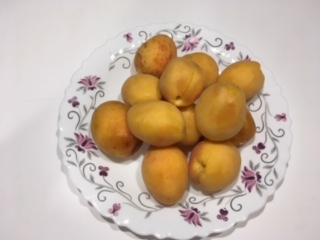
The Latin name for apricots is prunus armeniaca, because Europeans first encountered the apricot in Armenia. It’s one of our national fruits. They are everywhere now, sweet, juicy, delicious, fresh.

In Western Armenian, the word for rainbow is dzeeranee kod, lit. “apricot belt.” I saw a rainbow en route to Logan airport at the start of my journey, and another one today. And I do feel a little like Dorothy Gale. The things that you dare to dream really do come true.

Yet inside the sweet apricot is the pit. Armenia is poor. It is considered impolite to buy a take-out meal and eat it in a public park, because some people don’t have enough to eat.

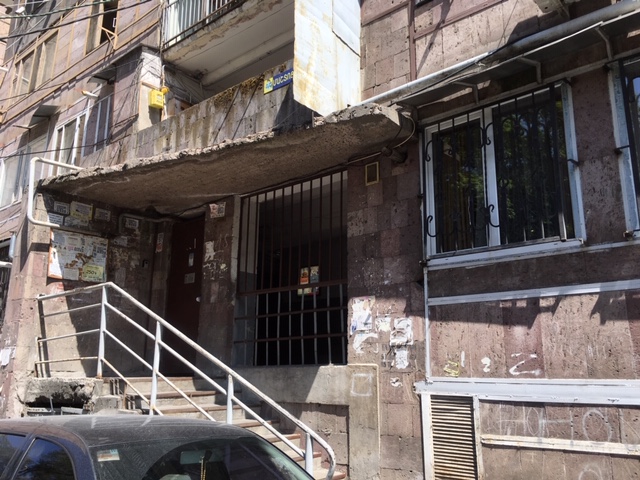
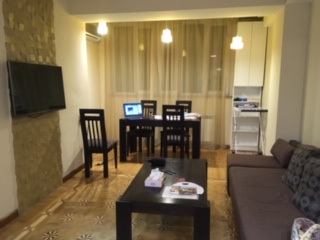
The apartment I’m renting is an inside-out apricot. The exterior looks like a building that would be condemned in the U.S. — but the apartment inside is newly decorated, spotlessly clean, and completely functional.

The exterior of my apartment building
The interior of my apartment.

This trip is very much about trying to get to the inside of things. I am doing oral history research with women involved in feminist organizations (some of which, of course, do not use the f-word, but nevertheless…) to try to get inside the lovely, gracious, generous exterior of the culture. There are hard pits in Armenian culture, of course. And yet, the generosity of the people is really overwhelming — everyone wants to help me. And whose to say that is only an exterior thing? I think generosity and welcome are central to this culture, and I wish U.S. culture would follow the splendid example of the Armenians.

You are a Plane Tree

The plane is flying over landscape that my eyes have seen only in dreams and fuzzy photographs. We are flying over Western Armenia — the Anatolian plateau, known to most people as eastern Turkey. We are between Sepastia (Sivas) and Malatya. Far to the southwest, near what might be Kesarya (Kayseri) is a tall mountain with snow on its peak. It rises out of atmospheric mist. It this Mount Argaeus, where my grandfather spent his summers?

The bones of the earth call to me — the rocks, stones, mountains, trees — and the bones of the Armenians that have decomposed back into the soil which birthed them. My body knows, somehow, that it belongs here. I am as far away as a hundred years and tens of thousands of feet, flying over the haunted past, the shadow of the plane caressing the land for a mere instant before moving on. But I hope that some atom of the air I exhale will find its way out of this jet plane’s exhaust vent and float down to the place where a part of my heart dwells.

Dear, dear dear, don’t forget me, even though you are far away.

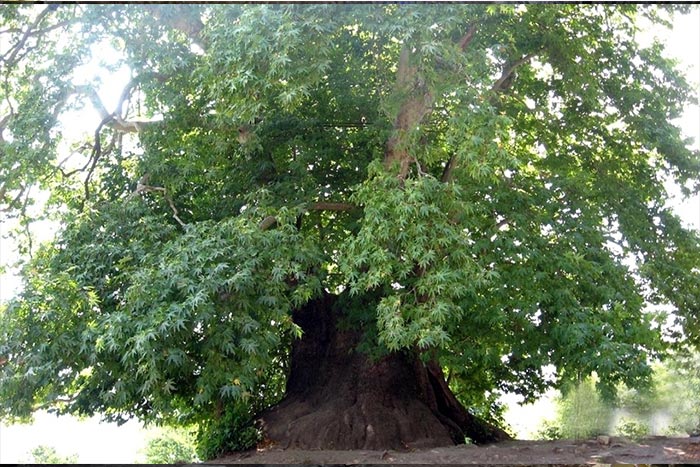
Image result for tnjri

“Tnjri” — the 2000-year old plane tree in Artsakh.

“Chinar Es” (“You are a plane tree”) is one of Gomidas Vartabed’s most beloved songs. Here is a link to the fabulous Isabel Bayrakdarian’s version: https://www.youtube.com/watch?v=ZMGsiJ8YWFI

A lifetime in the airport

I always turn inward when I travel. Sometimes I think that this happens because, being unmoored from the geography of home, something inside me needs to remember who I am, to cling to myself, to find an anchor somewhere. Other times I think leaving behind all the material and geographical trappings of my life helps me to see the bigger picture of my life, of our planet, of the cosmos. And the magic of travel is that we don’t know, when we start out, where we are really going. We might have maps, and plans, but we always have to discover what the real journey is.

Design a site like this with WordPress.com
Get started